
American Heart Association Urges People to Favor Plant-Based Proteins, Replace Full-Fat Dairy
Introduction: A Shift That Changes Everything
The way we eat is evolving—and the latest guidance from the American Heart Association (AHA) reflects a powerful shift backed by decades of research. Instead of focusing heavily on animal protein and full-fat dairy, the AHA now urges a dietary pattern centered on plant-based proteins, whole foods, and lower-fat dairy options.
This isn’t just another trend. It’s a science-driven approach designed to reduce cardiovascular risk, improve metabolic health, and support long-term weight management.
For anyone serious about improving their health, losing weight, or optimizing performance, understanding these recommendations is essential.
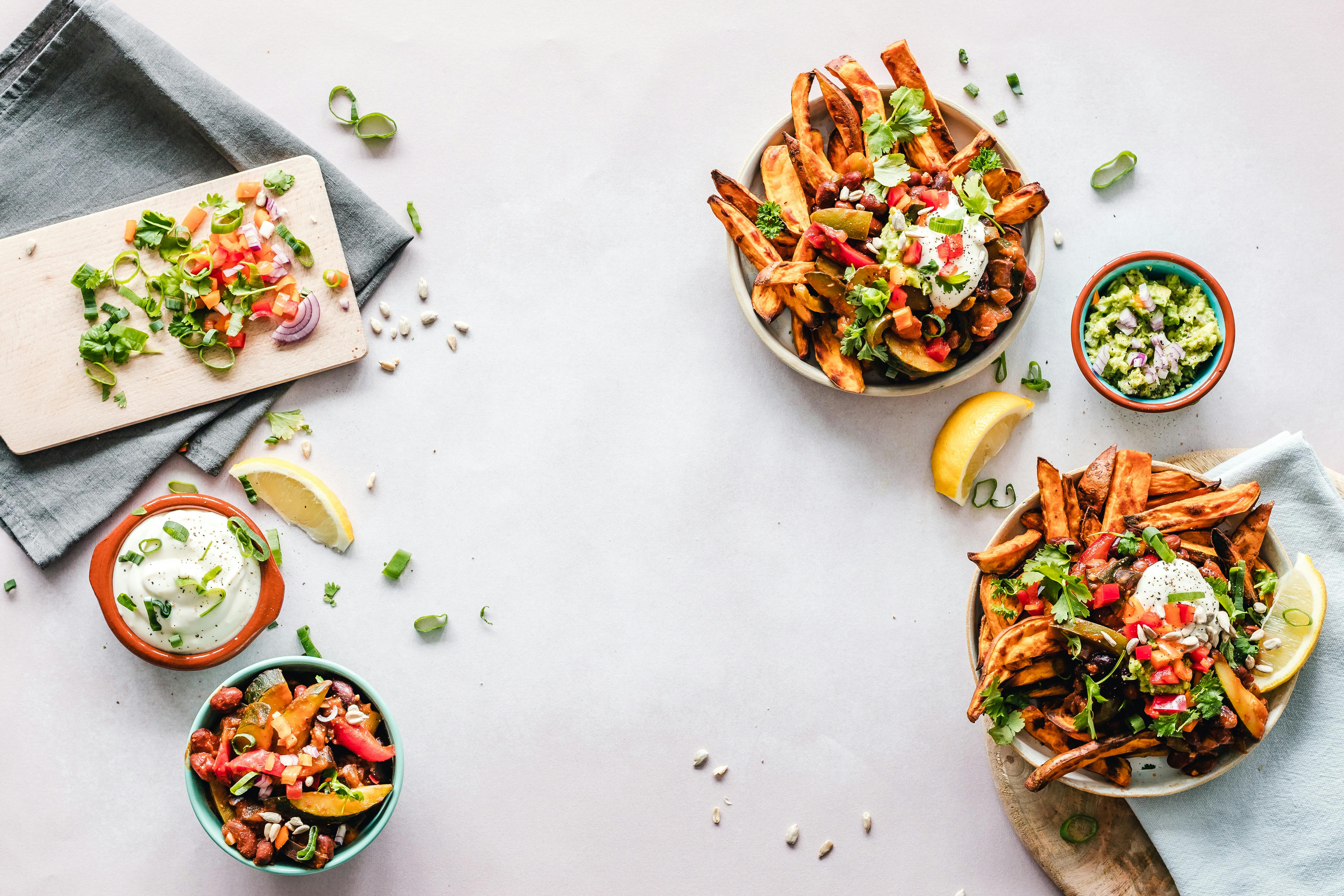 |
| American Heart Association Urges People to Favor Plant-Based Proteins, Replace Full-Fat Dairy |
What the American Heart Association Recommends
The AHA’s updated guidance emphasizes a holistic, sustainable eating pattern rather than short-term dieting. At its core, the recommendations include:
- Prioritizing vegetables, fruits, and whole grains
- Choosing plant-based protein sources over meat
- Replacing full-fat dairy with low-fat or non-fat options
- Limiting added sugars, sodium, and ultra-processed foods
- Focusing on unsaturated fats instead of saturated fats
- Reducing alcohol intake
This approach aligns closely with broader public health recommendations and reinforces a growing body of evidence linking diet quality to disease prevention.
Why Plant-Based Proteins Are Taking Center Stage
Understanding the Science
Plant-based proteins—such as legumes, lentils, chickpeas, nuts, and seeds—offer more than just protein. They provide fiber, antioxidants, and essential micronutrients that are often lacking in animal-based diets.
“When you shift your protein sources toward plants, you’re not just reducing saturated fat—you’re actively improving your gut health, reducing inflammation, and enhancing metabolic efficiency.”
Research consistently shows that diets rich in plant-based proteins are associated with lower risks of heart disease, obesity, and type 2 diabetes.
Plant vs Animal Protein: A Practical Comparison
- Plant Protein: High fiber, low saturated fat, rich in antioxidants
- Animal Protein: High in essential amino acids but often contains saturated fat
The key is not elimination—but prioritization. The AHA encourages making plant proteins the foundation of your diet while consuming lean animal protein in moderation.
The Role of Dairy: Why Low-Fat Matters
Full-fat dairy has long been debated in nutrition science. While it contains beneficial nutrients, it also contributes significant saturated fat—linked to increased LDL cholesterol.
The AHA recommends replacing full-fat dairy with low-fat or non-fat alternatives to reduce cardiovascular risk while still obtaining calcium, vitamin D, and protein.
Smart Dairy Swaps
- Whole milk → Skim or 1% milk
- Full-fat yogurt → Greek yogurt (low-fat)
- Butter → Olive oil or avocado
The Hidden Dangers of Ultra-Processed Foods
Ultra-processed foods are one of the biggest threats to modern health. These include packaged snacks, sugary drinks, and ready-made meals loaded with additives.
They are often high in:
- Added sugars
- Refined carbohydrates
- Unhealthy fats
- Sodium
Reducing these foods is one of the fastest ways to improve your health and accelerate fat loss.
How These Guidelines Impact Weight Loss
If your goal is fat loss, these recommendations are incredibly powerful. Here’s why:
- Higher fiber intake increases satiety
- Lower calorie density reduces overall intake
- Improved insulin sensitivity supports fat burning
In simple terms: you feel fuller, eat less, and burn fat more efficiently.
To support your fitness journey, explore: benefits of daily exercise
Building a Heart-Healthy Plate
Creating meals that align with AHA guidelines doesn’t have to be complicated. Use this simple framework:
- 50% vegetables and fruits
- 25% whole grains
- 25% protein (mostly plant-based)
Add healthy fats like olive oil, nuts, or seeds to complete the meal.
What About Red Meat?
The AHA does not eliminate red meat entirely but recommends:
- Choosing lean cuts
- Avoiding processed meats
- Keeping portions small
This balanced approach makes the diet sustainable while reducing health risks.
Starting Early: Nutrition for Children
One of the most impactful aspects of the AHA guidance is its recommendation to start heart-healthy eating patterns as early as age one.
This has profound implications for long-term health, helping reduce the risk of obesity and chronic disease from an early age.
How This Compares to Previous Dietary Guidelines
Earlier dietary frameworks often emphasized higher protein intake from both plant and animal sources and were more permissive of full-fat dairy.
The AHA’s updated guidance reflects a more refined understanding of nutrition science, placing greater emphasis on quality over quantity.
Real-World Application: A Sample Day
- Breakfast: Oatmeal with berries and almonds
- Lunch: Quinoa salad with chickpeas and vegetables
- Snack: Apple with peanut butter
- Dinner: Grilled salmon with roasted vegetables
Consistency Over Perfection
One of the biggest mistakes people make is trying to be perfect. Sustainable change comes from consistency.
Start by making small adjustments:
- Swap one meal per day for a plant-based option
- Replace sugary drinks with water
- Choose whole foods over packaged snacks
These changes compound over time into powerful results.
For practical home fitness strategies, visit: home workout guide
The Role of Exercise in Heart Health
Diet and exercise work together. While nutrition fuels your body, movement strengthens your heart.
Even simple routines can make a difference. Learn more here: simple home workouts
Expert Insight: Why This Matters Now
“We’re seeing a global rise in metabolic diseases. Shifting toward plant-based nutrition is one of the most effective strategies we have to reverse this trend.”
The data is clear: dietary patterns rich in whole, plant-based foods consistently outperform those high in processed and animal-based products.
Long-Term Benefits of Following AHA Guidelines
- Reduced risk of heart disease
- Improved cholesterol levels
- Better weight management
- Enhanced energy and vitality
- Lower inflammation
Final Thoughts: A Smarter Way to Eat
The AHA’s recommendations are not about restriction—they’re about optimization. By prioritizing plant-based proteins, reducing saturated fats, and focusing on whole foods, you create a foundation for lifelong health.
This is not a temporary diet. It’s a sustainable lifestyle that supports your body, your goals, and your future.
The best time to start is now.
External Resources
https://www.nhlbi.nih.gov/health/heart-healthy-living
https://www.nutrition.gov/topics/healthy-eating
https://www.hsph.harvard.edu/nutritionsource/
Post a Comment