
Nature's Color Therapy: How Surroundings Impact Mood And Energy
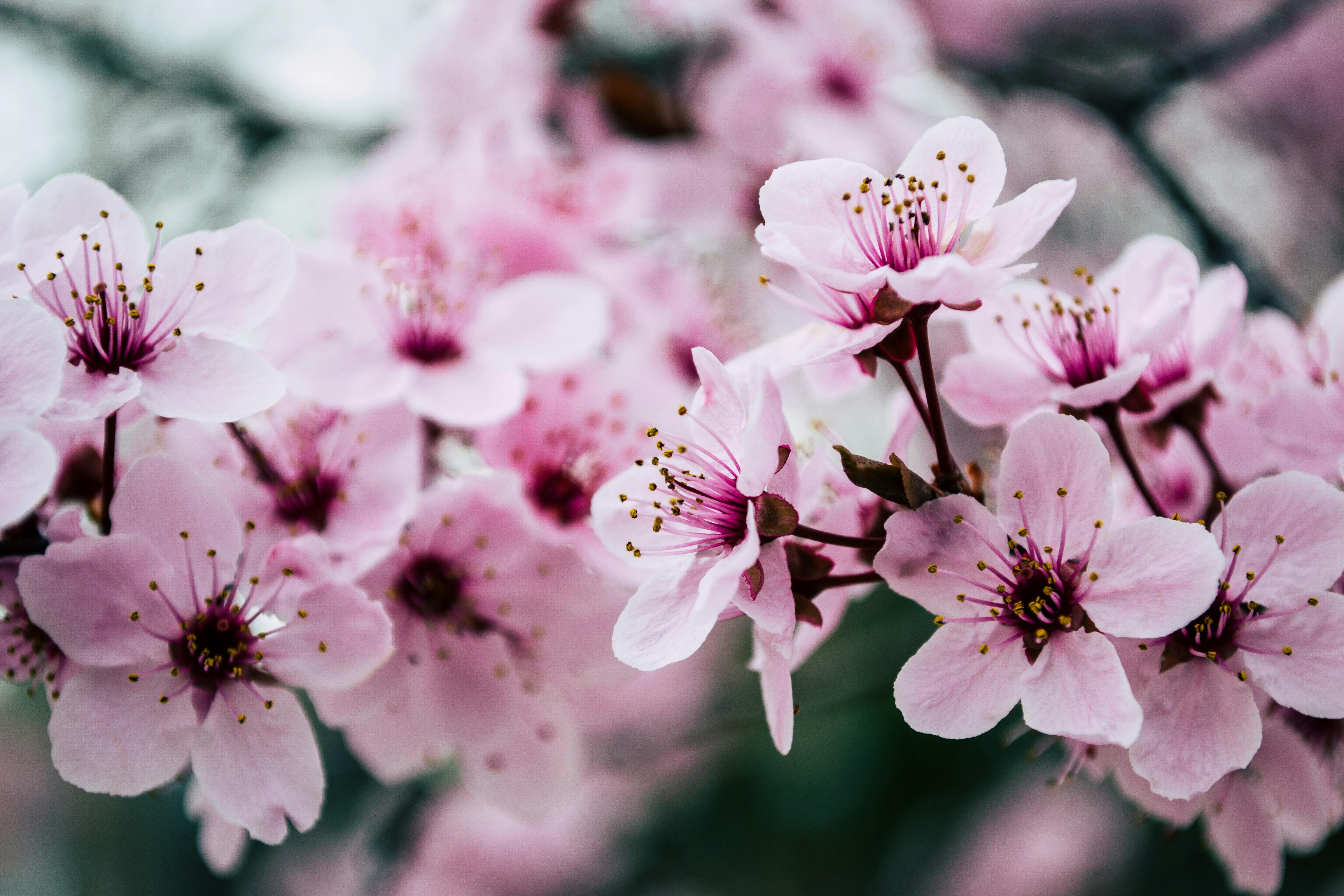 |
Nature'S Color Therapy: How Surroundings Impact Mood And Energy |
In a world filled with constant notifications, artificial lighting, and urban pressure, many people feel mentally drained, emotionally disconnected, and physically exhausted without fully understanding why. One often-overlooked factor influencing emotional balance and vitality is color—specifically, the colors found in nature. Nature’s color therapy is not a trend or a mystical concept; it is rooted in neuroscience, psychology, and environmental science.
From lush green forests to expansive blue skies and warm golden sunlight, natural colors send powerful signals to the brain that influence mood, motivation, stress levels, and even energy regulation. Understanding how these colors affect us can help reshape daily environments, support emotional resilience, and enhance overall well-being.
This guide explores the science-backed relationship between natural colors, mood, and energy—and how to intentionally harness this connection in everyday life.
The Science Behind Nature’S Color Therapy
Human vision is deeply tied to emotional processing. The brain does not simply “see” color; it interprets color as information. This information influences hormone production, nervous system responses, and cognitive performance.
Research published by the National Institutes of Health highlights how visual exposure to certain colors can affect heart rate, cortisol levels, and emotional regulation. Natural environments, rich in organic color patterns, are especially powerful because the human brain evolved within them.
Unlike artificial color palettes found in screens and urban structures, nature’s colors are balanced, gradual, and rhythmical. This reduces sensory overload and supports parasympathetic nervous system activation—the body’s “rest and restore” mode.
At the core of this experience lies color psychology, which examines how different hues influence emotions, perception, and behavior.
Green: The Color of Restoration and Balance
Green is the most dominant color in nature—and for good reason. It represents growth, harmony, and renewal. Studies consistently show that exposure to green environments reduces anxiety, improves focus, and enhances mood stability.
Green wavelengths require minimal adjustment from the eyes, making them less taxing on the nervous system. This explains why forests, gardens, and parks often feel instantly calming.
People who regularly spend time in green spaces report:
- Lower perceived stress levels
- Improved emotional regulation
- Enhanced cognitive clarity
- Reduced mental fatigue
Incorporating green into daily surroundings—through plants, outdoor walks, or visual imagery—supports long-term emotional resilience and mental clarity.
Blue: Calm, Clarity, and Emotional Cooling
Blue is strongly associated with calmness and mental openness. It slows heart rate, reduces blood pressure, and promotes reflective thinking. Natural blue environments such as oceans, lakes, and skies are particularly effective at soothing an overstimulated mind.
Blue light in natural form differs significantly from artificial blue light emitted by screens. While artificial exposure can disrupt circadian rhythms, natural blue hues during daylight help regulate sleep-wake cycles and improve daytime alertness.
This connection explains why practices involving water, sky gazing, or coastal environments are often linked to improved emotional clarity and stress relief—an essential component of nature colors mood.
Yellow and Gold: Energy, Optimism, and Motivation
Yellow tones found in sunlight, autumn leaves, and blooming flowers stimulate optimism and vitality. These colors activate the brain’s reward centers, increasing feelings of motivation and positive anticipation.
Moderate exposure to warm natural light supports serotonin production, which plays a key role in mood regulation. This is why seasonal changes—particularly reduced sunlight exposure—can influence emotional well-being.
Golden hues can help counter emotional fatigue, especially when combined with movement or outdoor activity.
Earth Tones: Stability and Emotional Grounding
Browns, tans, and muted earth tones provide a sense of safety and grounding. These colors are associated with reliability, structure, and emotional containment.
In natural environments, earth tones act as a visual anchor, helping the brain feel secure and present. This grounding effect is especially beneficial during periods of emotional overwhelm or mental instability.
Exposure to these tones supports emotional regulation by reducing hyperarousal and encouraging calm focus—an essential element of balanced environmental energy.
How Nature’S Colors Influence Energy Levels
Energy is not just physical—it is neurological and emotional. The colors surrounding us constantly influence how energized or depleted we feel.
Natural color environments support energy balance by:
- Reducing cognitive overload
- Stabilizing nervous system responses
- Enhancing mental clarity
- Improving emotional recovery time
When the brain is not overwhelmed by artificial contrast, harsh lighting, or visual noise, energy is conserved and redirected toward focus, creativity, and emotional resilience.
Nature’S Color Therapy and Stress Regulation
Stress is largely a sensory experience. Visual input plays a significant role in how the body perceives safety or threat.
Studies show that natural color exposure lowers cortisol levels and reduces activity in the brain’s fear-processing centers. This physiological response explains why time spent in nature often results in immediate emotional relief.
Color therapy does not require immersion in wilderness. Even small changes—such as natural light exposure, plant presence, or nature imagery—can shift stress perception.
Color Therapy vs Artificial Environments
Modern environments are dominated by sharp contrasts, synthetic materials, and overstimulating color patterns. These visual stressors increase cognitive load and emotional fatigue.
Nature’s color palettes, by contrast, are harmonious and predictable. They signal safety to the brain, allowing emotional regulation systems to function efficiently.
This distinction highlights why integrating natural color elements into living and working spaces can dramatically impact mood and productivity.
Practical Ways to Use Nature’S Color Therapy Daily
Applying nature-based color principles does not require drastic lifestyle changes. Simple adjustments can significantly improve emotional balance and energy.
- Spend time outdoors during daylight hours
- Add green plants to indoor spaces
- Use natural light whenever possible
- Choose earth-tone décor and textures
- Incorporate nature imagery into workspaces
These small interventions support long-term emotional resilience and mental clarity.
Nature’S Color Therapy and Emotional Healing
Color exposure can support emotional recovery by creating a sense of safety and predictability. Natural environments provide a visual rhythm that helps regulate emotional responses.
Research from Harvard Health confirms that nature exposure improves emotional well-being, reduces rumination, and enhances overall life satisfaction.
These benefits are amplified when individuals intentionally engage with their surroundings—observing color, light, and texture mindfully.
The Role of Awareness in Color Impact
While color influences us subconsciously, conscious awareness strengthens its effects. Noticing how different environments make you feel builds emotional intelligence and self-regulation.
This awareness allows intentional design of spaces that support mental clarity, calmness, and sustained energy.
Scientific Support for Color Psychology
Extensive research supports the relationship between color and emotional response:
color psychology - nature colors mood - environmental energy
These findings confirm that color is not decorative—it is biological, emotional, and deeply influential.
Why Nature’S Color Therapy Matters More Than Ever
As digital exposure increases, the nervous system faces constant stimulation. Nature’s color therapy offers a powerful counterbalance—one that is accessible, affordable, and scientifically grounded.
Reconnecting with natural color environments restores emotional equilibrium, supports sustainable energy, and enhances quality of life.
Final Thoughts
Nature’S Color Therapy is a reminder that well-being is not only shaped by what we eat or how we move—but also by what we see. The colors surrounding us quietly shape emotional patterns, energy levels, and mental resilience.
By intentionally integrating nature’s color principles into daily life, it becomes possible to support mood stability, reduce stress, and cultivate lasting vitality—naturally.
Post a Comment