
Wildlife Watching: Finding Joy And Connection Through Animal Encounters
 |
| Wildlife Watching: Finding Joy And Connection Through Animal Encounters |
What Is Wildlife Watching?
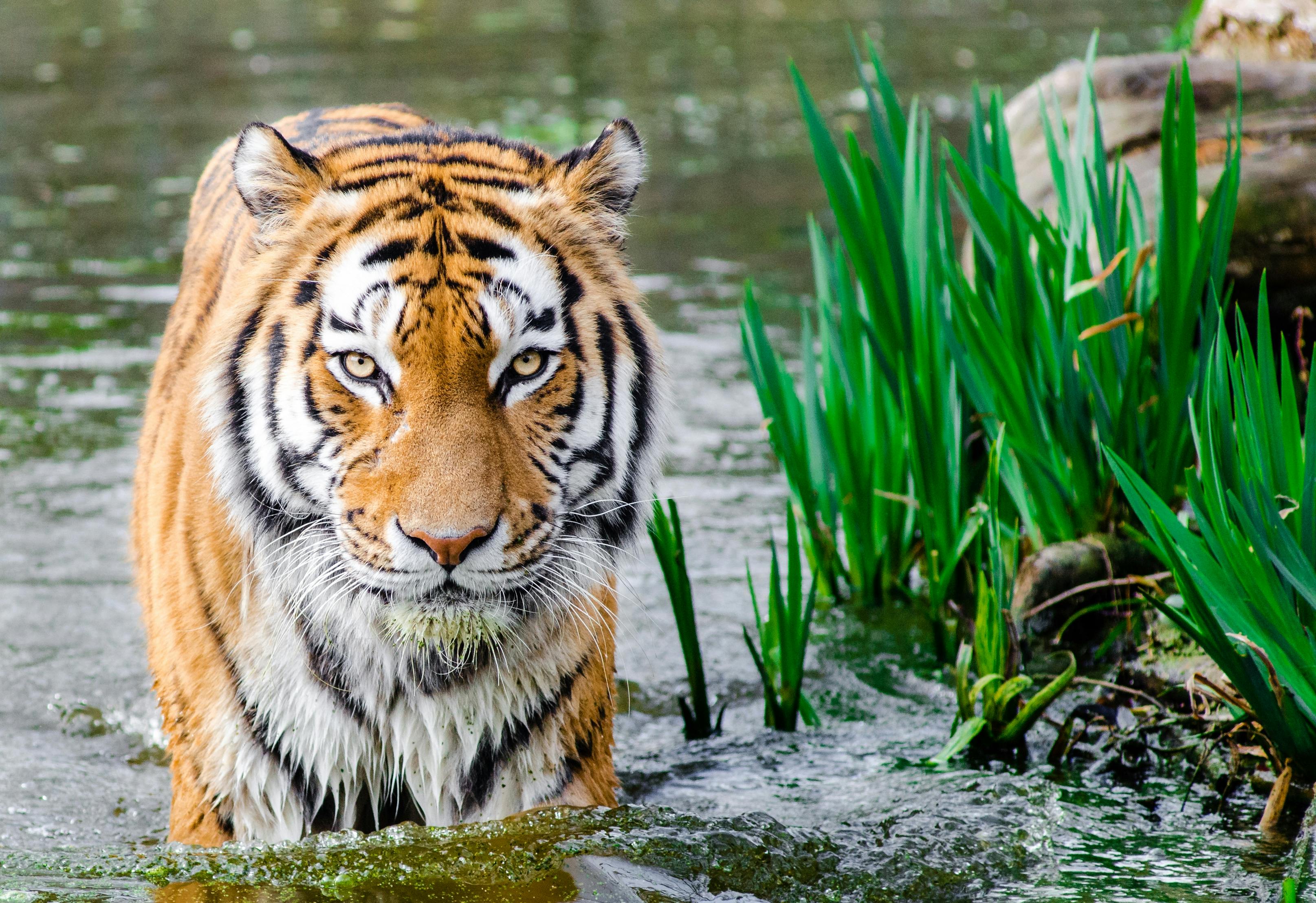
Wildlife watching refers to the intentional observation of animals such as birds, mammals, or insects in natural or semi-natural settings. This activity can take place in parks, forests, coastal areas, or even urban green spaces, and it typically emphasizes respect for animals and their habitats.
Potential Health Benefits
- May support relaxation and reduced mental tension through nature exposure
- Is associated with improved mood and positive emotional experiences
- Can support mindfulness and present-moment awareness
- May encourage gentle outdoor movement and time away from screens
- Is often linked to increased feelings of connection with nature
How It May Support Overall Well-Being
Spending time observing wildlife may support overall well-being by fostering calm attention and appreciation for natural rhythms. Activities like this are often part of broader healthy living practices that include mindful movement and emotional balance, such as those discussed in Daily Fitness Tips on our blog.
Best Practices for Safe Use
To practice wildlife watching safely, maintain a respectful distance from animals and avoid feeding or disturbing them. Wear suitable clothing, stay hydrated, and follow local guidelines to help make your experience safe and enjoyable for both you and wildlife.
Who Should Be Cautious?
Individuals with mobility limitations, balance concerns, or sensitivities to outdoor environments may need to take additional precautions. Choosing shorter, accessible observation paths or joining guided group walks may help provide a more comfortable experience.
Frequently Asked Questions
Do I need special equipment for wildlife watching?
No special equipment is required, although binoculars or a camera may help with viewing animals from a safe distance.
Can wildlife watching be done in urban areas?
Yes, many people observe birds, insects, and small animals in city parks, gardens, and green spaces.
Is wildlife watching suitable for children?
With supervision and basic safety guidance, wildlife watching can be an educational and enjoyable activity for children.
How long should a wildlife watching session last?
The duration can vary based on interest and comfort, ranging from a few minutes to longer periods spent quietly observing.
Health Disclaimer
This content is for educational purposes only and is not a substitute for professional medical advice.
Final Thoughts
Wildlife watching offers a gentle way to engage with nature and cultivate awareness. By observing animals respectfully and mindfully, individuals may find opportunities for relaxation, learning, and meaningful connection with the natural environment. For more wellness content, explore our main blog.
Post a Comment