
Art As Self-Discovery: Exploring Your Inner World Through Creativity
 |
| Art As Self-Discovery: Exploring Your Inner World Through Creativity |
Art has always been more than decoration or entertainment. Across cultures and history, creative expression has served as a mirror to the inner world—a way to understand emotions, process experiences, and uncover deeper truths about the self. Art As Self-Discovery is not reserved for professional artists. It is a deeply human practice that allows anyone to explore thoughts, feelings, and identities that are often difficult to access through words alone.
In a fast-paced, results-driven society, many people feel disconnected from themselves. Stress, routine, and external expectations can drown out intuition and emotional awareness. Creativity offers a powerful pathway back. Through art, the mind slows down, the nervous system regulates, and hidden insights begin to surface naturally.
The Psychology Behind Art And Self-Discovery
From a psychological perspective, creative activities engage both hemispheres of the brain. Logical thinking blends with emotional processing, creating an ideal environment for insight and reflection. This is why art is frequently used in therapeutic settings.
Research published in peer-reviewed medical journals shows that engaging in creative activities reduces stress hormones, improves mood, and enhances self-awareness. These art therapy benefits explain why many people experience emotional clarity after drawing, painting, writing, or crafting—even without formal training.
Why Words Are Sometimes Not Enough
Not all emotions are easy to verbalize. Trauma, grief, confusion, and even joy can exist beyond language. Art bypasses the analytical mind and allows expression without the pressure to explain or justify.
This makes creative practices especially powerful for emotional processing. When feelings are externalized through art, they become visible, tangible, and easier to understand. This process supports self discovery through art by revealing patterns, beliefs, and needs that might otherwise remain hidden.
Art As A Tool For Emotional Awareness
Emotional awareness is the foundation of mental and emotional health. Without awareness, emotions tend to control behavior subconsciously. Art creates a safe container for exploring emotions without judgment.
For example:
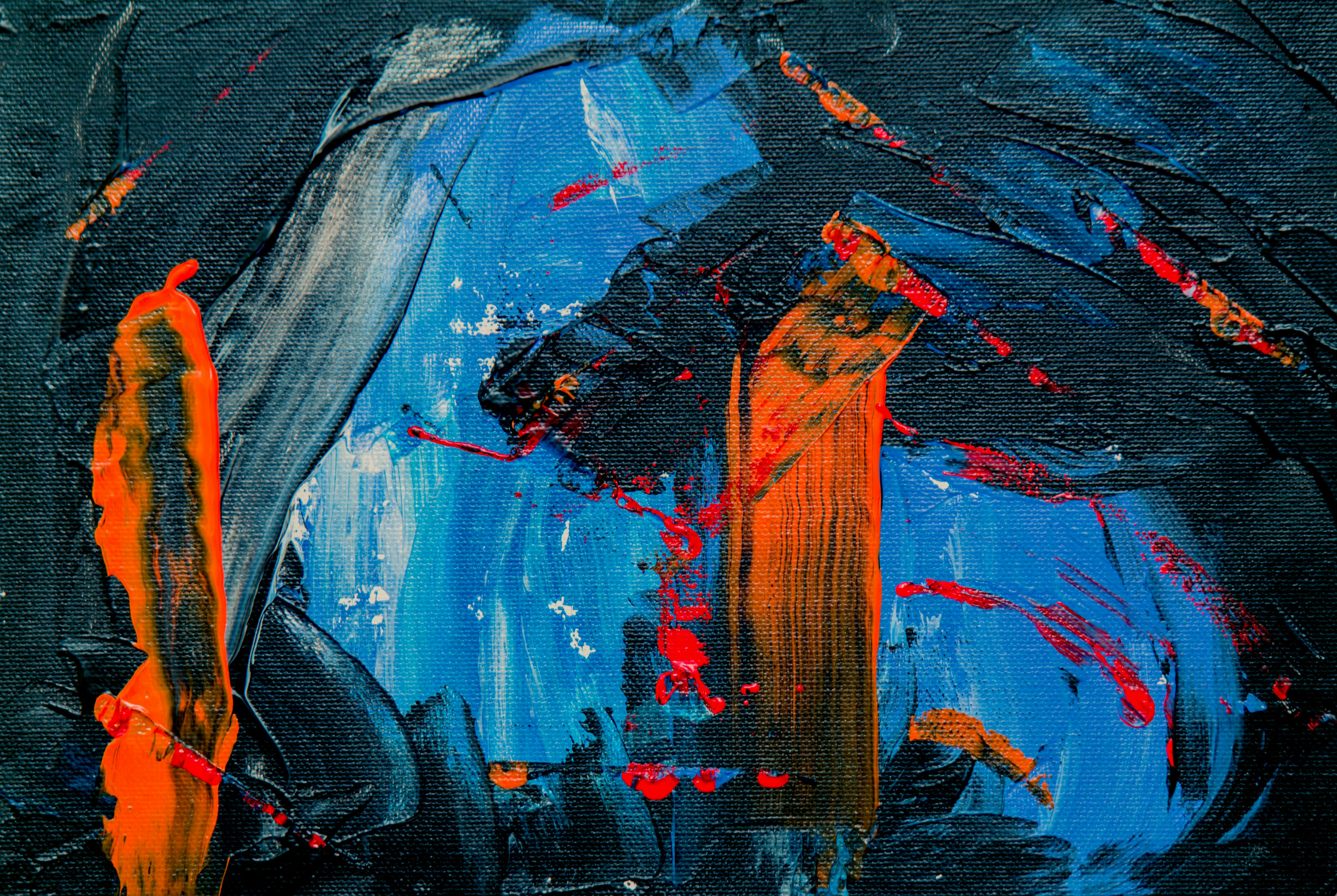
- Colors may reflect mood or energy levels
- Shapes can represent boundaries or openness
- Repetition may indicate unresolved thoughts
- Empty space can symbolize emotional distance or calm
There is no right or wrong interpretation. The value lies in noticing what emerges and how it feels.
The Science Of Creativity And The Brain
Neuroscience research shows that creative expression activates the brain’s reward system, releasing dopamine—the neurotransmitter associated with motivation and pleasure. This not only improves mood but also enhances learning and adaptability.
According to studies summarized by the American Psychological Association, creativity strengthens cognitive flexibility, problem-solving skills, and emotional regulation. These benefits extend beyond art sessions into daily life, supporting resilience and mental clarity.
Creative Expression As A Form Of Self-Care
Self-care is often misunderstood as passive relaxation. True self-care includes activities that help process emotions and restore internal balance. Art is an active form of self-care that nurtures both the mind and body.
Engaging in creative expression helps regulate the nervous system by shifting the body out of stress mode and into a state of focus and flow. This state, often referred to as “flow,” is associated with reduced anxiety and increased well-being.
Art And Identity Exploration
Identity is not fixed—it evolves with experiences, beliefs, and values. Art provides a space to explore identity without labels or limitations.
Through creative work, individuals often uncover:
- Unspoken values
- Personal strengths
- Hidden fears
- Long-suppressed desires
This exploration supports personal growth and helps align actions with authentic values.
You Don’t Need To Be “Good” At Art
One of the biggest barriers to creative self-discovery is the belief that art requires talent. This belief disconnects many people from a powerful tool for healing and insight.
Art for self-discovery is process-focused, not outcome-focused. The goal is not to create something beautiful—it is to create something honest. Stick figures, abstract shapes, messy brushstrokes, or collage scraps are all valid forms of expression.
Different Forms Of Art For Self-Discovery
Self-discovery can occur through many creative mediums. Each offers a unique pathway into the inner world.
- Drawing and painting: Ideal for exploring emotions visually
- Writing and poetry: Helps process thoughts and beliefs
- Music: Connects deeply with emotion and memory
- Dance and movement: Releases stored emotional energy
- Crafting: Encourages mindfulness and presence
Choosing a medium that feels accessible increases consistency and enjoyment.
Art, Stress Reduction, And Physical Health
Chronic stress impacts physical health by increasing inflammation, disrupting hormones, and weakening immunity. Creative practices counteract these effects.
Medical research published by the National Center for Biotechnology Information indicates that art-based interventions reduce cortisol levels and improve physiological markers of relaxation. This reinforces the mind-body connection and highlights creativity as a legitimate wellness strategy.
Using Art To Process Difficult Emotions
Avoiding difficult emotions often intensifies them. Art provides a gentle way to face emotions without becoming overwhelmed.
Creating during times of sadness, anger, or confusion allows emotions to move rather than stagnate. This movement is essential for emotional healing.
Over time, individuals often notice increased emotional tolerance and self-compassion.
Creativity And Self-Compassion
Self-compassion involves treating oneself with kindness during moments of struggle. Art naturally cultivates this quality by encouraging curiosity rather than criticism.
When art is approached without judgment, it teaches acceptance. Mistakes become part of the process rather than failures. This mindset often transfers into daily life, improving self-talk and emotional resilience.
Art As A Pathway To Mindfulness
Mindfulness is the practice of being present without judgment. Creative activities naturally anchor attention in the present moment.
Focusing on textures, colors, sounds, or movement draws awareness away from rumination and into the here and now. This reduces anxiety and supports emotional regulation.
Long-Term Benefits Of Creative Self-Exploration
Over time, engaging in creative self-discovery leads to:
- Improved emotional intelligence
- Greater self-confidence
- Stronger stress management skills
- Enhanced problem-solving ability
These benefits compound, influencing relationships, work performance, and overall life satisfaction.
Integrating Creativity Into Daily Life
Creative self-discovery does not require large blocks of time. Even short, consistent practices are effective.
Examples include:
- Sketching for five minutes
- Free-writing without editing
- Listening to music intentionally
- Creating a small collage
Consistency matters more than duration.
Creativity And Emotional Resilience
Emotional resilience is the ability to adapt and recover from stress. Creativity strengthens this ability by providing an outlet for processing experiences rather than suppressing them.
People who regularly engage in creative practices often report feeling more adaptable, hopeful, and emotionally grounded during challenges.
When Art Becomes Insight
Sometimes, the most powerful moments of self-discovery happen unexpectedly. A color choice reveals an emotion. A repeated symbol highlights a pattern. A finished piece sparks reflection.
These insights do not need immediate interpretation. Allowing them to unfold naturally often leads to deeper understanding.
Creativity Across Different Life Stages
Creative self-discovery is valuable at every stage of life. Children use art intuitively to process emotions. Adults benefit from reclaiming this natural form of expression.
During transitions—career changes, relationship shifts, health journeys—art can provide clarity and emotional grounding.
Final Thoughts: Creativity As A Gateway To The Self
Art As Self-Discovery is not about producing masterpieces. It is about listening—to emotions, intuition, and inner wisdom. Through creativity, the inner world becomes visible, accessible, and understood.
In a world filled with noise and distraction, art offers a quiet space for reflection and growth. By engaging in creative expression, individuals reconnect with themselves, build emotional resilience, and cultivate a deeper sense of meaning.
art therapy benefits - self discovery through art - creative expression
Post a Comment