
There Are Proteins That Are Better for You: Here’s the Foods That Should Be in Your Diet
Walk into any grocery store, and you’ll see it everywhere—protein bars, protein shakes, protein snacks, even protein coffee.
But here’s what most people get wrong:
Not all protein is created equal.
Some protein sources support fat loss, heart health, and longevity. Others may quietly increase inflammation, disrupt metabolism, and contribute to chronic disease.
If your goal is to build a lean, healthy body while improving long-term health, understanding which proteins are better for you is essential.
Protein has become the centerpiece of modern nutrition.
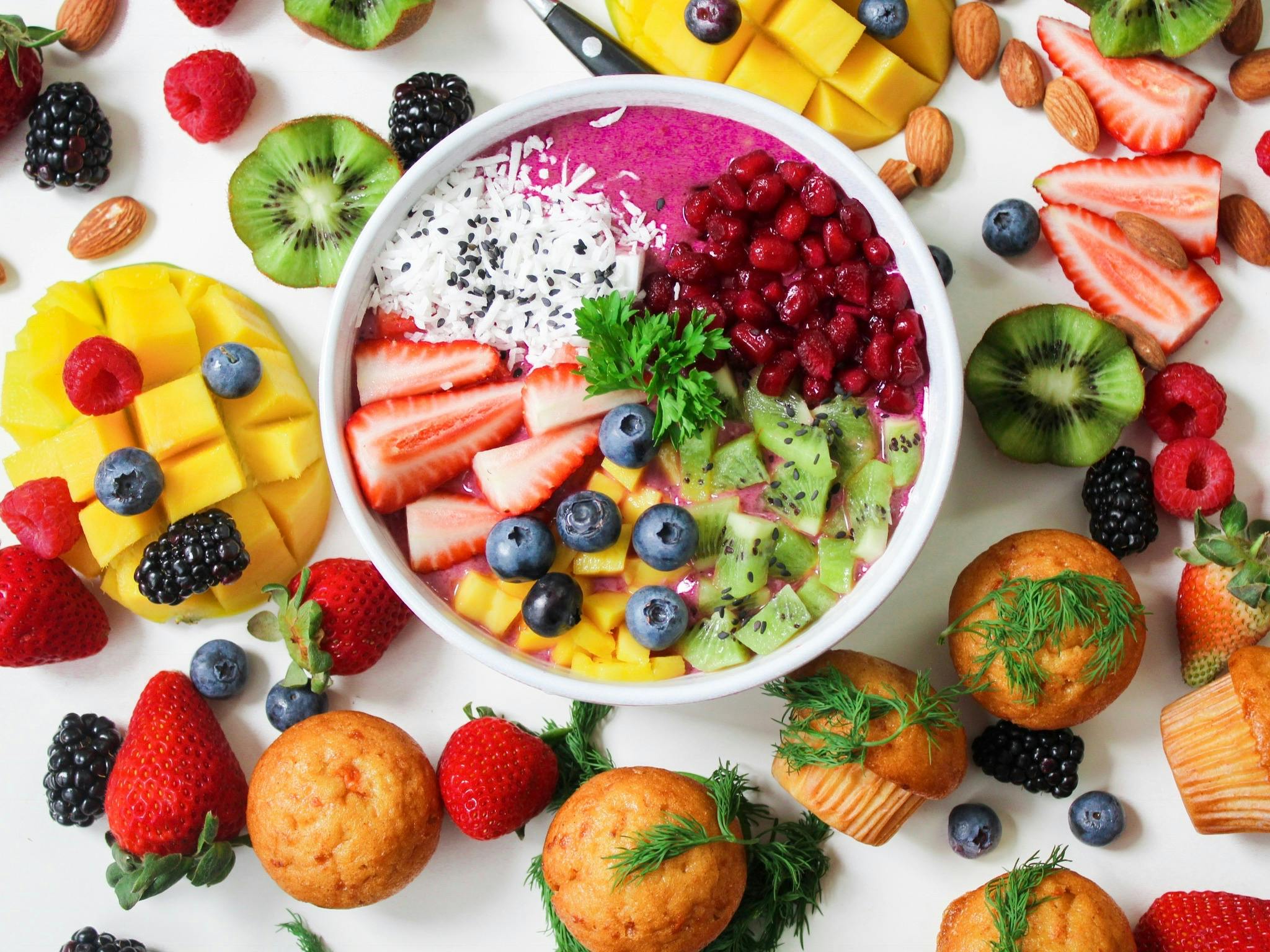 |
| There Are Proteins That Are Better for You: Here’s the Foods That Should Be in Your Diet |
Why Protein Quality Matters More Than Quantity
Most people focus on how much protein they eat.
But science shows that protein quality, source, and context matter just as much—if not more.
Two people can eat the same amount of protein, yet experience completely different outcomes depending on:
- The source (animal vs plant)
- Processing level
- Fat composition
- Micronutrient content
“Protein doesn’t exist in isolation. It comes packaged with fats, vitamins, minerals, and compounds that either support or harm your health.”
The Best Protein Foods for Your Body
1. Fatty Fish (Salmon, Sardines, Mackerel)
These are among the most powerful protein sources available.
Why?
- High-quality complete protein
- Rich in omega-3 fatty acids
- Supports heart and brain health
Benefits include:
- Reduced inflammation
- Improved cholesterol levels
- Better recovery after workouts
2. Eggs
Eggs are one of the most nutrient-dense foods on the planet.
- Complete protein source
- Rich in choline (brain health)
- Supports muscle repair and satiety
Despite past concerns, moderate egg consumption is now widely considered safe for most people.
3. Greek Yogurt
A powerful combination of protein and probiotics.
- Supports gut health
- Improves digestion
- Helps maintain muscle mass
Choose unsweetened versions to avoid added sugars.
4. Lean Poultry (Chicken, Turkey)
High in protein and relatively low in saturated fat.
- Supports fat loss
- Helps maintain lean muscle
- Versatile and easy to prepare
5. Plant-Based Proteins (Lentils, Beans, Chickpeas)
Often overlooked—but incredibly powerful.
- Rich in fiber
- Supports gut microbiome
- Helps regulate blood sugar
They also come with antioxidants and micronutrients missing from many animal proteins.
6. Nuts and Seeds
These provide protein along with healthy fats.
- Support heart health
- Improve satiety
- Provide magnesium and antioxidants
Portion control is important due to calorie density.
7. Avocados (A Unique Supporting Protein Food)
While not high in protein, avocados enhance protein utilization.
- Rich in healthy fats
- Support nutrient absorption
- Improve satiety and digestion
Learn more: Vitamins and Minerals Guide
Proteins to Limit or Be Careful With
Not all protein sources support long-term health.
1. Processed Meats
- Sausages
- Hot dogs
- Deli meats
Often linked to:
- Higher cancer risk
- Increased inflammation
2. Ultra-Processed Protein Products
Many “protein snacks” contain:
- Added sugars
- Artificial ingredients
- Low-quality protein isolates
They may be convenient—but not optimal.
How Protein Affects Your Body
1. Muscle Growth and Recovery
Protein provides amino acids necessary for:
- Muscle repair
- Strength development
- Recovery after exercise
Support your training: Best Home Workouts
2. Appetite Control
Protein is the most satiating macronutrient.
- Reduces hunger hormones
- Helps control calorie intake
3. Metabolic Health
High-quality protein supports:
- Blood sugar stability
- Insulin sensitivity
- Energy balance
Animal vs Plant Protein: What’s Better?
This isn’t about choosing one side.
The healthiest approach combines both.
Animal Protein Advantages:
- Complete amino acid profile
- High bioavailability
Plant Protein Advantages:
- High fiber content
- Lower saturated fat
- Supports gut health
Balance is key.
How Much Protein Do You Actually Need?
General guidelines:
- 0.8 g/kg → minimum for health
- 1.2–1.6 g/kg → active individuals
- 1.6–2.2 g/kg → muscle building
But remember: quality matters just as much as quantity.
Building a Balanced High-Quality Protein Diet
Here’s a simple daily structure:
- Breakfast: Eggs + avocado
- Lunch: Chicken or lentil bowl
- Dinner: Fish + vegetables
- Snacks: Yogurt or nuts
For lifestyle balance: Healthy Lifestyle Habits
Expert Coaching Insight
“The goal isn’t just to eat more protein—it’s to eat smarter protein. Choose sources that support your body, not just your macros.”
This is where most people transform their results.
Frequently Asked Questions
1. Are plant proteins enough?
Yes, when combined properly, they can meet all amino acid needs.
2. Is too much protein harmful?
Excessive intake—especially from poor sources—can strain health over time.
3. Should I use protein supplements?
Only if needed. Whole foods should be the priority.
Final Thoughts: Upgrade Your Protein Strategy
Protein is essential—but the source makes all the difference.
By focusing on high-quality, nutrient-dense protein foods, you can:
- Improve body composition
- Support long-term health
- Feel more energized and satisfied
Because in the end, it’s not just about eating protein.
It’s about choosing the right protein.
Post a Comment