
What Happens to Your Body When You Eat Avocado Every Day, According to Nutrition Experts
Few foods have achieved the “superfood” status quite like the avocado.
Creamy, satisfying, and packed with nutrients, avocados have become a staple in modern nutrition—especially among people focused on fat loss, performance, and long-term health.
But what actually happens when you eat an avocado every day?
Is it truly beneficial—or just another overhyped trend?
Science offers a surprisingly clear answer: daily avocado consumption can meaningfully improve multiple aspects of your health—from heart function and digestion to appetite control and even sleep quality.
Let’s break down exactly what happens inside your body when you make avocados a daily habit.
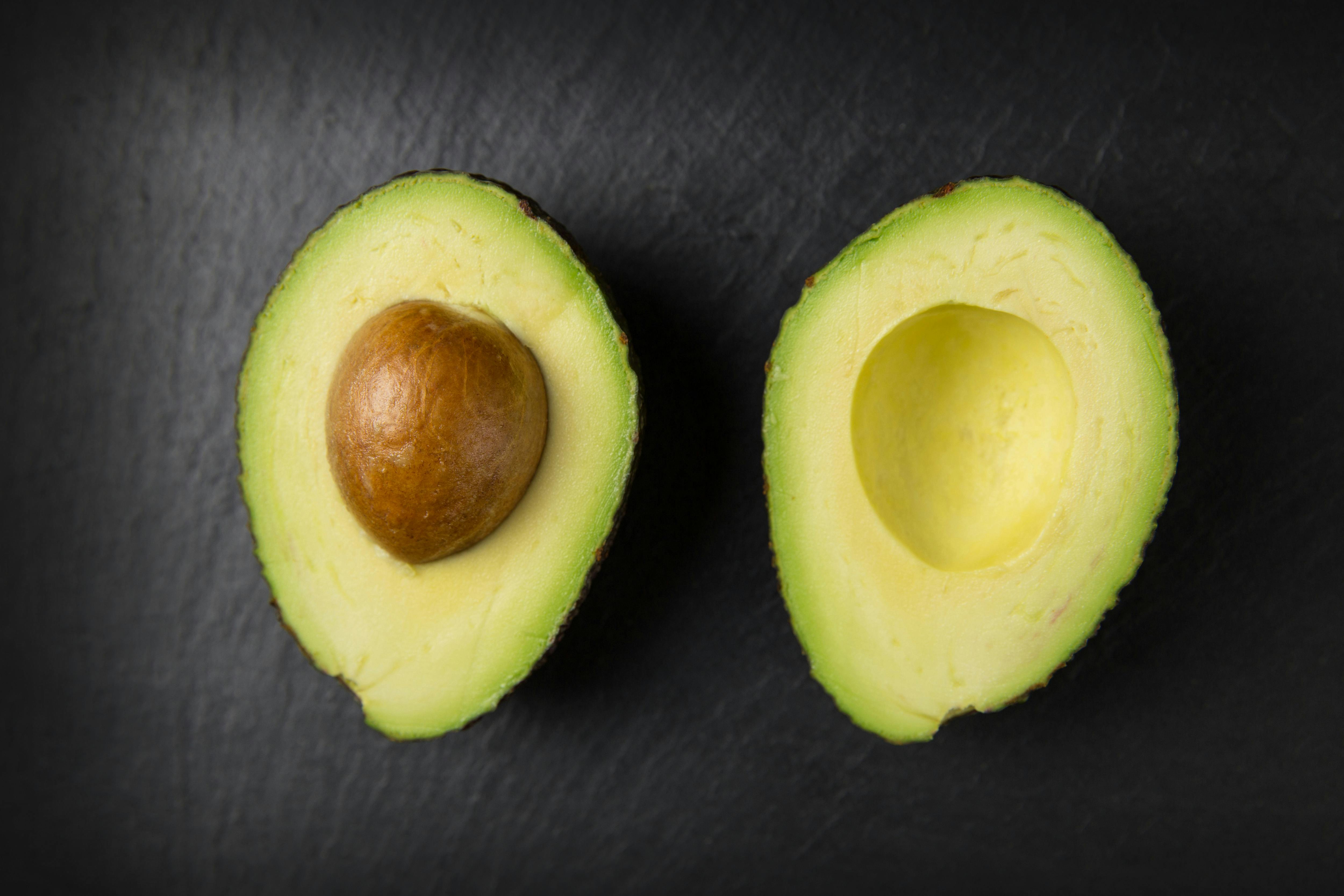 |
| What Happens to Your Body When You Eat Avocado Every Day, According to Nutrition Experts |
Nutritional Powerhouse: What’s Inside One Avocado?
A single avocado delivers a dense package of nutrients:
- ~322 calories
- Healthy monounsaturated fats
- ~13–15 grams of fiber
- Potassium (~250 mg per serving)
- Magnesium
- Vitamins C, E, K, and B-complex
- Antioxidants like lutein and zeaxanthin
This combination makes avocados uniquely powerful for both metabolic health and satiety.
“Avocados deliver one of the most balanced nutrient profiles of any whole food—combining healthy fats, fiber, and micronutrients in a way that directly supports long-term health.”
1. Your Heart Health Improves
One of the most well-documented benefits of eating avocado every day is its effect on cardiovascular health.
Better Cholesterol Balance
Studies consistently show that daily avocado intake can:
- Lower LDL (“bad”) cholesterol
- Increase HDL (“good”) cholesterol
- Reduce total cholesterol levels
This is largely due to monounsaturated fats—the same heart-healthy fats found in olive oil.
The Role of Phytosterols
Avocados also contain plant compounds called phytosterols, which help:
- Reduce cholesterol absorption in the gut
- Support healthier lipid profiles
The result? A measurable reduction in cardiovascular risk when combined with a balanced diet.
2. You Feel Fuller—and Eat Less
If your goal is fat loss or weight management, this is where avocados shine.
The combination of fat + fiber creates powerful satiety signals:
- Slows digestion
- Stabilizes blood sugar
- Reduces hunger hormones
This leads to fewer cravings and better portion control throughout the day.
“Foods that combine healthy fats and fiber naturally regulate appetite. Avocados are one of the most effective examples.”
For structured fat-loss strategies, explore: Healthy Lifestyle Habits
3. Your Digestive System Gets Stronger
Avocados are rich in both soluble and insoluble fiber, making them a powerful ally for gut health.
Improved Digestion
- Insoluble fiber helps move food through the digestive tract
- Soluble fiber slows digestion and improves nutrient absorption
Gut Microbiome Support
Avocados also act as a prebiotic—feeding beneficial gut bacteria.
This supports:
- Greater microbial diversity
- Reduced inflammation
- Better digestion overall
4. Blood Sugar Becomes More Stable
Unlike high-carb snacks, avocados have minimal impact on blood sugar.
In fact, they may help:
- Improve insulin sensitivity
- Reduce blood sugar spikes
- Support metabolic health
Magnesium plays a key role here, as it’s involved in glucose metabolism and insulin function.
This makes avocados especially valuable for individuals managing or preventing type 2 diabetes.
5. Your Blood Pressure May Decrease
Potassium is one of the most underrated nutrients in modern diets.
Avocados provide a meaningful dose, helping to:
- Balance sodium levels
- Support healthy blood pressure
- Reduce strain on the cardiovascular system
This is critical for long-term heart health and overall wellness.
6. Your Brain and Eyes Get a Boost
Avocados contain antioxidants like lutein and zeaxanthin, which are linked to:
- Eye health protection
- Reduced risk of age-related vision decline
- Improved cognitive function
They also provide healthy fats that support brain structure and function.
“Healthy fats are essential for brain health. Avocados provide these fats in a form that’s both accessible and beneficial.”
7. You May Sleep Better
This is one of the lesser-known benefits.
Emerging research suggests that nutrient-dense diets—including foods like avocados—may support:
- Improved sleep quality
- Better recovery
- Hormonal balance
Magnesium and healthy fats both play roles in relaxation and nervous system regulation.
8. Your Overall Diet Quality Improves
People who eat avocados regularly tend to have:
- Higher nutrient intake
- Better overall food choices
- Lower intake of processed foods
This is a key insight:
Adding one healthy habit often improves multiple behaviors.
Are There Any Downsides?
While avocados are incredibly healthy, moderation still matters.
Calories Add Up
At ~322 calories per fruit, overeating can slow fat loss if not accounted for.
Portion Awareness
For most people, ½ to 1 avocado per day is ideal.
Best Ways to Eat Avocado Daily
Consistency is easier when food is versatile.
Simple Ideas:
- Avocado toast with eggs
- Smoothies for creamy texture
- Salad topping
- Mashed as a spread instead of butter
Pair with balanced nutrition strategies: Vitamins and Minerals Guide
Avocado vs Common Alternatives
Replacing less healthy options with avocado can amplify benefits:
- Butter → Avocado (less saturated fat)
- Processed snacks → Avocado (more fiber)
- Refined spreads → Avocado (more nutrients)
This substitution effect is where real transformation happens.
Fitness Coaching Perspective
From a coaching standpoint, avocados are a powerful tool—but not a magic solution.
“No single food creates results. But the right foods make consistency easier—and that’s what drives transformation.”
Pair avocado intake with movement: Best Home Workouts
Frequently Asked Questions
1. Is it okay to eat avocado every day?
Yes. For most people, daily consumption is safe and beneficial when portion-controlled.
2. Will avocados help with weight loss?
Yes—by improving satiety and reducing overeating.
3. Can I eat more than one per day?
It depends on your calorie needs, but moderation is key.
Final Thoughts: A Small Habit, Big Impact
Eating avocado every day isn’t a trend—it’s a practical, science-backed strategy for improving health.
From heart health and digestion to appetite control and metabolic balance, the benefits are both broad and meaningful.
But remember:
It’s not about one food. It’s about the system you build around it.
And avocados are one of the easiest—and most effective—pieces to add to that system.
Post a Comment