
Mindful Snacking: Wholesome Treats For Sustained Energy
Have you ever wondered why you can eat a snack during the day and feel satisfied and energized for hours, while another snack leaves you hungrier and more tired than before? The difference usually comes down to how Mindful Snacking: Wholesome Treats For Sustained Energy is planned, prepared, and consumed. Research shows that food quality, nutrient balance, and eating awareness can dramatically influence satiety, metabolism, and mood throughout the day. In fact, a review published in the journal “Nutrients” found that people who thoughtfully choose snacks based on a balance of protein, fiber, and slow-release carbohydrates experience more stable energy levels and better weight management outcomes.
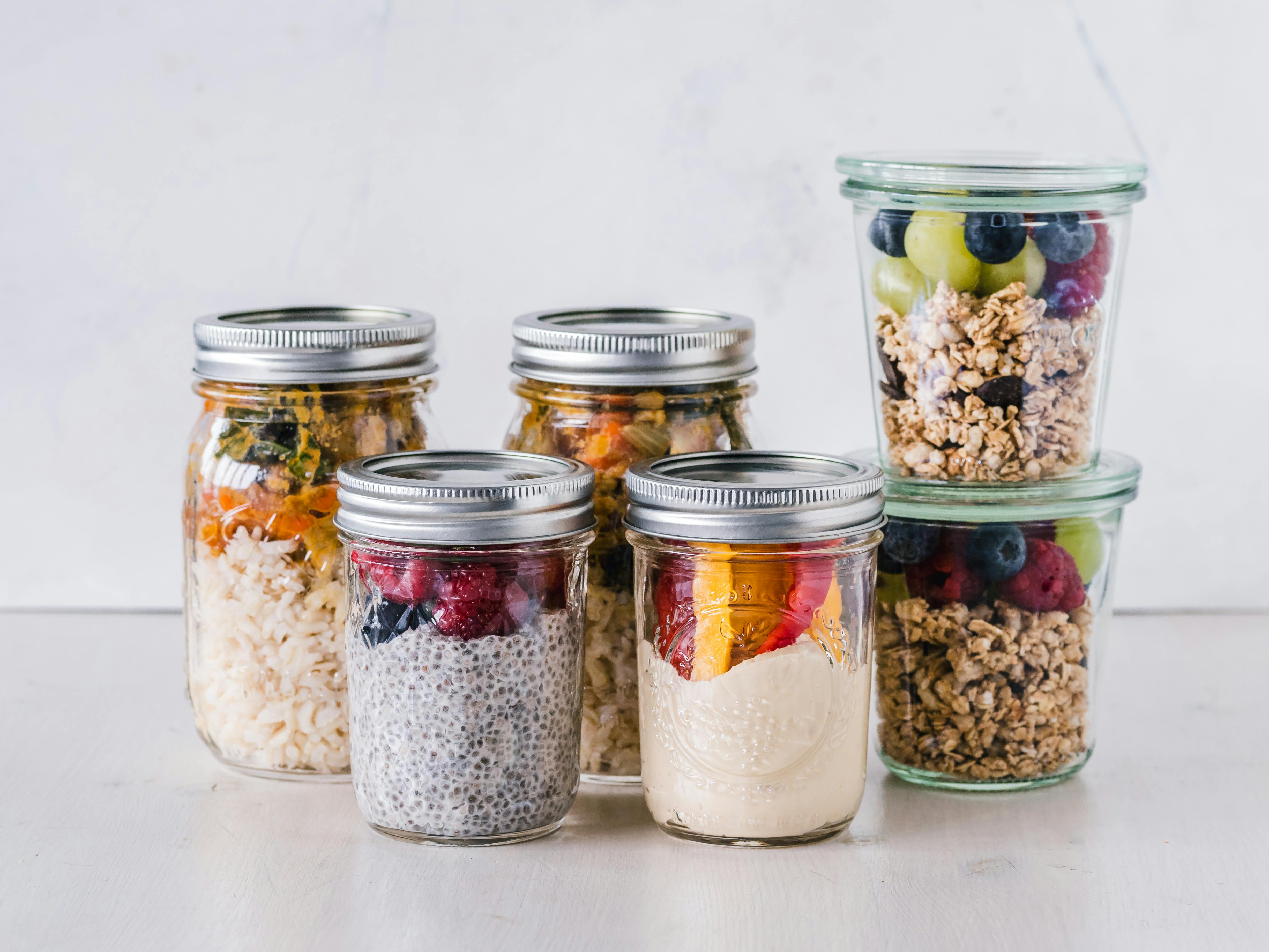 |
| Mindful Snacking: Wholesome Treats For Sustained Energy |
And yet, most people still fall into the same traps—grabbing whatever is convenient, eating while distracted, or choosing snacks high in refined sugar and low in essential nutrients. This is where “mindful snacking”, “healthy snacks sustained energy”, “wholesome snack ideas” truly matters—not to restrict you, but to empower you to choose foods that nourish your body, support your goals, stabilize hunger, and keep your energy steady from morning to night.
The Science Behind Energy-Promoting Snacking
For years, many people believed snacking was the enemy of weight loss. But data shows otherwise. Studies now confirm that eating high-quality, nutrient-dense snacks can improve metabolism, reduce overeating at meals, and stabilize blood sugar. The key is not whether you snack—but what you snack on and how consciously you do it.
Eating snacks rich in protein, fiber, and healthy fats slows digestion and extends fullness. Carbohydrates with a low glycemic index provide slow-release energy. Meanwhile, processed snacks heavy in sugar and preservatives give a short burst of glucose followed by a crash—leading to cravings, fatigue, and more eating throughout the day.
In other words, food is fuel—so choosing snacks thoughtfully helps your body function better, your brain think clearer, and your day feel easier.
Why Mindful Eating Matters More Than Ever
Most individuals today no longer struggle with a lack of food—they struggle with excessive options, conflicting nutrition advice, and the constant temptation of fast, ultra-processed choices. This is why learning to practice mindful eating is crucial.
Mindful eating is the practice of being fully present during eating—paying attention to texture, smell, flavor, satiety signals, and the emotional context in which you’re eating. When we eat mindfully, studies show we are:
- More satisfied with less food
- Less likely to binge or eat emotionally
- Better able to differentiate hunger from craving
- More aware of how food affects energy and mood
This process changes everything—not only what you eat, but how you relate to food.
Characteristics Of A High-Quality Snack
To experience lasting energy and satiety from a snack, aim to choose foods containing a combination of the following:
- Protein – Stabilizes blood sugar and increases fullness
- Fiber – Slows digestion and improves gut health
- Healthy fats – Support brain function and sustained energy
- Complex carbohydrates – Provide steady fuel without a crash
Research also shows that snacks with 150–250 calories tend to be ideal for balancing hunger without pushing daily calorie intake beyond goals—especially for individuals pursuing fat loss, muscle building, or maintaining weight.
Signs Your Snack is Working For You
A great snack doesn’t just taste good—it supports your body. Some ways to know your snack was a good choice include:
- You feel satisfied for 2–3 hours
- You don’t immediately crave sugar afterward
- Your mental clarity improves instead of drops
- You feel steady energy without a crash
These are the exact markers that nutrition coaches, athletes, and metabolic specialists look for when designing smart snack strategies for their clients.
Mindful Eating Strategies That Make Snacking Work In Real Life
If you’re like most busy professionals, trainers, parents, or students, you likely don’t have unlimited time to prepare snacks every day. Fortunately, mindful snacking can become automatic with just a few simple strategies:
Plan Ahead—Just a Little
You don’t need full meal prep boxes for snacks. Even washing fruit, pre-cutting vegetables, or portioning nuts once a week can dramatically increase your chances of choosing nourishing foods instead of last-minute convenience items.
Eat Without Distraction
Try this challenge: no screens while snacking. Even a five-minute snack break without scrolling helps your body register the eating experience, improving hunger regulation and emotional digestion.
Use The Handful Rule
A balanced snack often fits into two handfuls:
- One handful plant-based or whole-grain carbs
- One handful protein and/or healthy fats
This visual cue helps prevent mindless overeating and ensures nutrient balance without needing a scale.
High-Energy Snack Ideas You Can Use Any Day
Below are examples of simple, nutrient-dense snacks perfect for midday energy, post-workout refueling, or between-meal hunger management.
Fruit + Protein Pairings
- Apple slices with almond butter
- Pineapple and cottage cheese
- Strawberries dipped in Greek yogurt
These provide antioxidants, digestion-friendly fiber, and steady-release protein to keep you energized.
Smart Crunchy Options
- Baby carrots, cucumber, and hummus
- Snap peas with tzatziki
- Whole-grain crackers and cheese
Crunchy snacks help satisfy stress-based eating impulses without compromising nutrition.
High-Protein Mini Fuel-Ups
- Beef jerky (low sodium)
- Boiled eggs
- Chickpea or lentil chips
These options help maintain muscle-building amino acid availability throughout the day.
Snacks To Help You Power Through Workouts
If you exercise in the morning or evening, your snacks can play a crucial role in performance. Pre-workout snacks should focus on easy-to-digest carbohydrates with a small amount of protein or fat. Some powerful options include:
- Banana and peanut butter
- Oat bar with chia seeds
- Granola and yogurt
For post-workout recovery, a higher-protein choice helps support muscle repair:
- Protein shake and berries
- Greek yogurt and honey
- Tuna and whole grain crackers
These combinations stabilize glycogen, support lean muscle, and reduce fatigue.
Mindfulness Techniques You Can Start Today
If you want to upgrade your snack habits this week, try these simple daily practices:
- Pause and ask: “Am I hungry—or bored, stressed, or seeking stimulation?”
- Chew every bite at least 10 times
- Try eating one snack per day without your phone or computer
- Keep nourishing snacks within reach
Even one mindful moment can help rebuild your relationship with food and your body.
The Emotional Side of Snacking
Humans don’t eat only because of hunger. We eat because of stress, habit, celebration, procrastination, sadness, pleasure, or nostalgia. Understanding this is not a failure—it’s wisdom. When emotions influence eating without awareness, the result can be negative. But when you pair emotional signals with mindful practice, you gain control and compassion over your choices.
Food becomes fuel—and also an act of self-care.
How to Build A Personal Snack Strategy
Creating a snack approach that works for your lifestyle ensures long-term sustainability. Here are three steps to get started:
Step 1: Identify Your Daily Hunger Patterns
Some people need midmorning snacks, while others get hungry later in the evening. Begin noticing when hunger naturally hits during the day.
Step 2: Select Snacks That Support Your Body
Use protein + fiber + slow carbs as your base formula. Pick options that satisfy you physically and emotionally.
Step 3: Build A Snack Rotation
Create a list of 5–10 snacks you love and rotate them weekly. This reduces decision fatigue and keeps you consistent.
Mindful Snacking For Specific Goals
Depending on your wellness objectives, snacking can be tailored to:
Weight Loss
Choose snacks high in protein and fiber to promote fullness while supporting calorie-controlled weight reduction.
Muscle Building
Emphasize protein-rich snacks spaced evenly throughout the day to maintain positive nitrogen balance and muscle repair.
Energy And Productivity
Opt for slow-release carbs like oatmeal, fruit, or nuts instead of sugary options that spike and crash blood glucose.
Digestive Health
Snacks rich in fiber and probiotics help support efficient digestion, reduce bloating, and improve microbiome balance.
Common Snacking Mistakes (And How To Fix Them)
If snacking feels like it’s working against you, you may be experiencing one of these challenges:
- You’re snacking while distracted
- You’re skipping protein and healthy fats
- You’re choosing convenience over nutrition
- You’re eating too little or too much
Small adjustments—such as mindful eating, preparation, and nutrient balance—can correct these issues quickly.
The Link Between Snacking, Mood, And Motivation
Low blood sugar is strongly associated with irritability, low motivation, and brain fog. Choosing snacks that stabilize blood sugar helps maintain mental clarity, emotional resilience, and a sense of steady self-control throughout the day.
You feel more capable—and with that, consistency becomes easier.
You Deserve Food That Supports Who You’re Becoming
Snacking is not the enemy—unconscious, low-nutrient snacking is. When you choose nourishing foods with awareness, intention, and self-respect, each snack becomes a stepping stone toward stronger health, deeper emotional grounding, and better daily performance.
Fuel your body like it matters—because it does.
Your next snack can be the moment your day shifts for the better. Make it count.
Post a Comment