
Sweet Indulgences, Naturally: Desserts That Nourish And Delight
What if the desserts you crave could actually support your health instead of derailing it? For years, people have believed that anything sweet must be a “guilty pleasure,” but modern nutrition research shows that desserts can provide nutritional density, emotional satisfaction, and long-lasting energy when prepared with intention, balance, and whole ingredients. In this guide, we explore how Desserts That Nourish And Delight can shift your mindset around treats while supporting a lifestyle of wellness, empowerment, and joy.
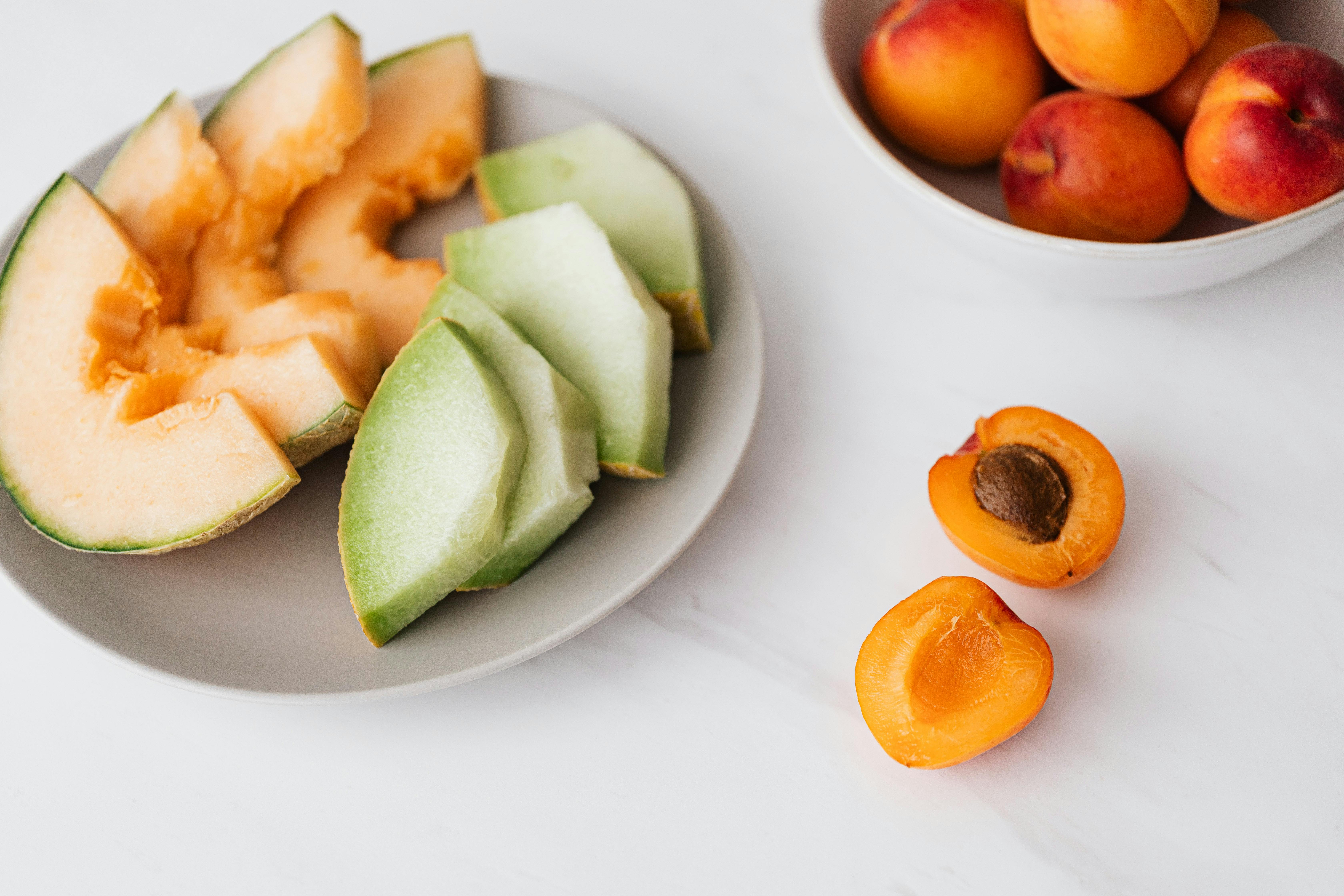 |
| Sweet Indulgences, Naturally: Desserts That Nourish And Delight |
With obesity, stress eating, and over-processed sweets dominating global dietary habits, learning to create desserts that feel indulgent while offering nutritional balance has become a powerful shift in health behavior. New research suggests that when we choose foods that are flavorful, real, and full of micronutrients, we feel more satisfied, less triggered to overeat, and better aligned with our long-term well-being. That is the foundation of creating desserts that truly nourish—physically, emotionally, and mentally.
Why Good Desserts Don’t Need to Be Guilty
For decades, diet culture has pushed the idea that anything sweet should be avoided, limited, or mentally punished. This mentality is rooted in shame—not science. Studies from major health institutions such as yoga resilience, inner strength yoga, yoga psychological resilience reveal that when individuals deny themselves certain foods, it often leads to cravings, overeating, and feelings of failure. The solution is not restriction—it is empowerment.
The human brain is wired to seek reward, and sweetness is a natural biological reinforcement mechanism. Unfortunately, conventional processed desserts use this reward loop in a harmful way—packed with refined flour, artificial fats, and added sugars that spike insulin and drop energy fast. But when desserts are built from whole foods—dates, dark chocolate, nuts, fruits, coconut, oats, natural spices—the body processes them differently. Blood sugar rises more gradually. Hunger stabilizes. And the result is dessert that tastes wonderful while supporting your health.
This is where the idea of Desserts That Nourish And Delight takes form—not only as recipes, but as a new philosophy of eating: food that fills you, heals you, and makes you proud to enjoy every bite.
The Science Behind Nutrient-Rich Desserts
To make desserts that support health, it’s important to understand what happens in the body when we eat different ingredients. Let’s break it down:
Natural Sugars vs. Refined Sugars
Natural sweeteners—like honey, dates, maple syrup, banana, or coconut sugar—contain trace minerals, antioxidants, and fiber. Fiber slows digestion and prevents extreme spikes in blood sugar. In contrast, refined sugar enters the bloodstream rapidly, causing a surge of energy followed by a dramatic crash.
Studies published through organizations such as yoga resilience, inner strength yoga, yoga psychological resilience show that long-term consumption of refined sugar is linked to reduced insulin sensitivity, weight gain, and inflammation. When we replace processed sugars with natural ones, we experience more stable energy, improved satisfaction, and fewer cravings.
Healthy Fats Support Hormones and Satisfaction
Most traditional desserts are high in trans fats or cheap seed oils—ingredients that disrupt cell signaling and can contribute to chronic disease. But fats from nuts, seeds, coconuts, and avocados not only taste rich and delicious, they also support hormone production, vitamin absorption (A, D, E, K), and nervous system health.
Including these fats makes dessert more filling, reducing the urge to binge or snack excessively.
Whole Ingredients Help Control Hunger Signals
When we eat desserts made from whole ingredients, like oat flour, nuts, or ground almonds, the body receives dietary fiber and slower-digesting energy. This means:
- More stable blood sugar
- Reduced hunger hormones like ghrelin
- Increased satisfaction and emotional ease
In other words, dessert doesn’t have to leave you feeling guilty or hungry afterward. When made properly, it can help you stay full and energized for hours.
The Emotional Power of Healthier Desserts
Food isn’t just physical—it’s emotional. Celebrations, traditions, relationships, and memories are deeply connected to what we eat and share. When we remove desserts entirely, we often remove joy, connection, and pleasure. But when we create desserts that align with health goals, we get the best of both worlds.
Imagine coming home after a stressful day, enjoying a slice of dark chocolate-avocado mousse or cinnamon apple crumble, and knowing that you’re nourishing your body—not undoing your progress. That shift changes everything.
This mindset is similar to emotional practices seen in yoga resilience, inner strength yoga, yoga psychological resilience techniques: instead of reacting from stress, we respond with intention. Food becomes a tool for empowerment.
Key Principles of Desserts That Nourish
Whether you’re baking from scratch, blending, freezing, or assembling raw treats, the foundation remains the same. Truly nourishing desserts focus on:
- Real ingredients
- Functional sweeteners
- Healthy fats
- Fiber and micronutrients
- Blood-sugar-friendly balance
Let’s explore how to put these ideas into practice step by step.
Natural Sweeteners That Taste Incredible
One of the easiest ways to upgrade your desserts is by replacing refined sugar with nutrient-dense alternatives. Great options include:
- Dates
- Bananas
- Honey
- Coconut sugar
- Maple syrup
- Pure fruit puree
These sweeteners supply vitamins, minerals, and phytonutrients the body can use. They also tend to have lower glycemic impact compared to table sugar or corn syrup.
And because they’re flavorful, you often need less to achieve sweetness.
Healthy Fats for Creaminess and Satisfaction
Instead of butter, margarine, or palm oil, nourishing desserts rely on whole-food fats that deliver texture, flavor, and health benefits. Some excellent choices include:
- Cashews (perfect for creamy fillings)
- Avocados (smooth, buttery base for chocolate mousse)
- Almond butter
- Coconut cream
- Peanut butter
- Chia and flax seeds
These provide omega-3s, vitamin E, minerals, and long-lasting energy.
Flour Alternatives That Improve Nutrition
Traditional wheat flour is fast-digesting and sugar-spiking. For desserts that fuel instead of drain, try alternatives such as:
- Oat flour
- Almond flour
- Coconut flour
- Protein powder blends
- Ground sunflower or pumpkin seeds
These flours contain fiber, protein, and slow-release carbohydrates that keep hunger in check.
How to Build a Nourishing Dessert
A great dessert usually needs:
- A creamy, soft, or chewy element
- Flavor layering (cocoa, cinnamon, vanilla, spices)
- Balanced sweetness
- Healthy fat for richness
Once you understand the formula, you can apply it to hundreds of recipes. Consider the difference between a packaged brownie and a homemade one made with:
- Oat flour
- Dark cocoa
- Maple syrup
- Avocado or nut butter
Same indulgence—very different effects on your body.
Delicious Dessert Ideas You Can Make Tonight
Here are several examples of desserts that satisfy both cravings and nourishment:
1. Banana Cinnamon Baked Apples
Apples sliced, filled with banana mash, sprinkled with cinnamon, and baked until golden. Simple, sweet, and full of fiber.
2. Dark Chocolate Avocado Pudding
A rich, creamy pudding made with avocado, cocoa, and a touch of honey—high in antioxidants and healthy fats.
3. Peanut Butter Date Energy Balls
Just peanut butter, dates, oats, and chia seeds. No baker can mess this one up—and it’s perfect pre- or post-workout.
4. Coconut Milk Berry Chia Parfait
Layered chia pudding, berries, and coconut cream make a dessert that could easily be breakfast too.
When Dessert Becomes Self-Care
In a world where so many people eat out of stress, exhaustion, boredom, or emotional emptiness, dessert can become a grounding ritual instead of a coping mechanism.
Imagine:
- Sitting down at the end of the day with something that tastes extraordinary
- Feeling good afterward instead of ashamed
- Knowing the ingredients you chose support your goals and health
This emotional shift mirrors skills taught in stress-recovery approaches such as yoga resilience, inner strength yoga, yoga psychological resilience—where awareness leads to empowerment. When we nourish ourselves intentionally, we reinforce positive thinking and healthier relationships with food and with ourselves.
Healthy Desserts Support Weight Management Too
Contrary to popular belief, dessert doesn’t sabotage progress when done correctly. In fact, it may help because it:
- Reduces feelings of restriction
- Helps prevent binge cycles
- Makes long-term lifestyles realistic
- Supports metabolism when built from whole foods
Eating nourishing sweets can be the difference between staying consistent for three weeks or six months—and consistency is the true foundation of results.
How Portion Awareness Fits into Mindful Enjoyment
Just because a dessert is healthy doesn’t mean the goal is unlimited intake. Listening to hunger and satisfaction cues teaches us to enjoy food deeply without overconsumption. When desserts are made with nutrient-dense ingredients, it becomes easier to hear those cues because the body receives balanced signals instead of addictive sugar highs and lows.
How to Create Your Own Signature Nourishing Desserts
If you want to experiment, try this reliable formula for designing new sweets:
- Choose a base: oats, bananas, nut butter, avocado, coconut flour, oats
- Add sweetness: dates, maple syrup, honey, fruit puree
- Add richness: cashews, almonds, coconut cream, peanut butter
- Add flavor: cocoa powder, cinnamon, mint, vanilla, nutmeg, cardamom
- Optional crunch: cacao nibs, almonds, pistachios, seeds
Mix, bake, freeze, blend, or stack—and suddenly you have something that feels like a treat while fueling your body at a high level.
How These Desserts Fit into a Holistic Lifestyle
Just like mindful movement practices taught in Desserts That Nourish And Delight, nourishing desserts work best as part of an overall approach to life that includes:
- Daily hydration
- Movement and strength training
- Emotional self-regulation
- Stress-management practices
- High-quality sleep
- Whole-food meal structure
Nothing exists in isolation. The key is balance–something delicious can be part of something disciplined.
The Role of Dessert in Food Identity and Relationship Healing
Many people who struggle with weight or emotional eating have deep-rooted associations with dessert:
- As reward (“I earned this”)
- As escape (“I need relief”)
- As comfort (“I deserve something good today”)
- As punishment (“I ruined my diet, so I might as well keep going”)
Rewriting dessert into something intentional, nourishing, and aligned with well-being helps rewrite the emotional story as well. Food becomes an ally instead of an enemy.
Practical Tips for Success (No Matter Your Kitchen Skills)
You don’t need to be a professional chef to make incredible desserts. Here are some easy principles:
- Use fewer ingredients, but higher quality
- Favor textures—crunch, cream, chew
- Use spices to enhance sweetness naturally
- Try a new recipe every week to stay inspired
- Keep a pantry stocked with whole-food staples
Once you develop confidence, creativity flows naturally.
Why Flavor Is Just as Important as Nutrition
Flavor matters—because humans stick to habits they genuinely enjoy. If dessert doesn’t taste amazing, no one will stick with it. The goal is harmony between:
- Texture
- Aroma
- Sweetness
- Fat mouthfeel
- Visual presentation
When all five senses say yes, dessert becomes an experience—not just a calorie source.
How Children Benefit from Nourishing Desserts
Kids naturally love sweets. Instead of policing or restricting everything, offering nutrient-dense options teaches them that good food can taste better than artificial snacks. This builds a lifelong foundation of:
- Positive food relationship
- Self-trust
- Understanding fullness
- Healthy emotional expression
Children who grow up with balance tend to become adults who practice balance.
Making Dessert a Family and Community Experience
Sharing nourishing desserts—whether at birthday parties, holiday gatherings, potlucks, or weekday dinners—creates connection. Food is a universal love language. When we serve something wholesome that everyone can enjoy, we share our values without saying a word.
Final Thoughts: You Can Have Sweetness and Wellness at the Same Time
Desserts That Nourish And Delight are not about perfection. They are about alignment. About choosing what serves your body, your energy, your emotions, and your goals. When desserts are built from natural ingredients, crafted with love, and enjoyed mindfully, they become a source of confidence—not guilt.
You don’t need to erase sweetness from your life to be healthy. You simply need to redefine what sweetness means.
Indulge consciously. Eat beautifully. And enjoy every bite.
Post a Comment