
Capturing Emotions: Photography As A Medium For Self-Expression
Photography is more than a visual art. It is a language of the soul.
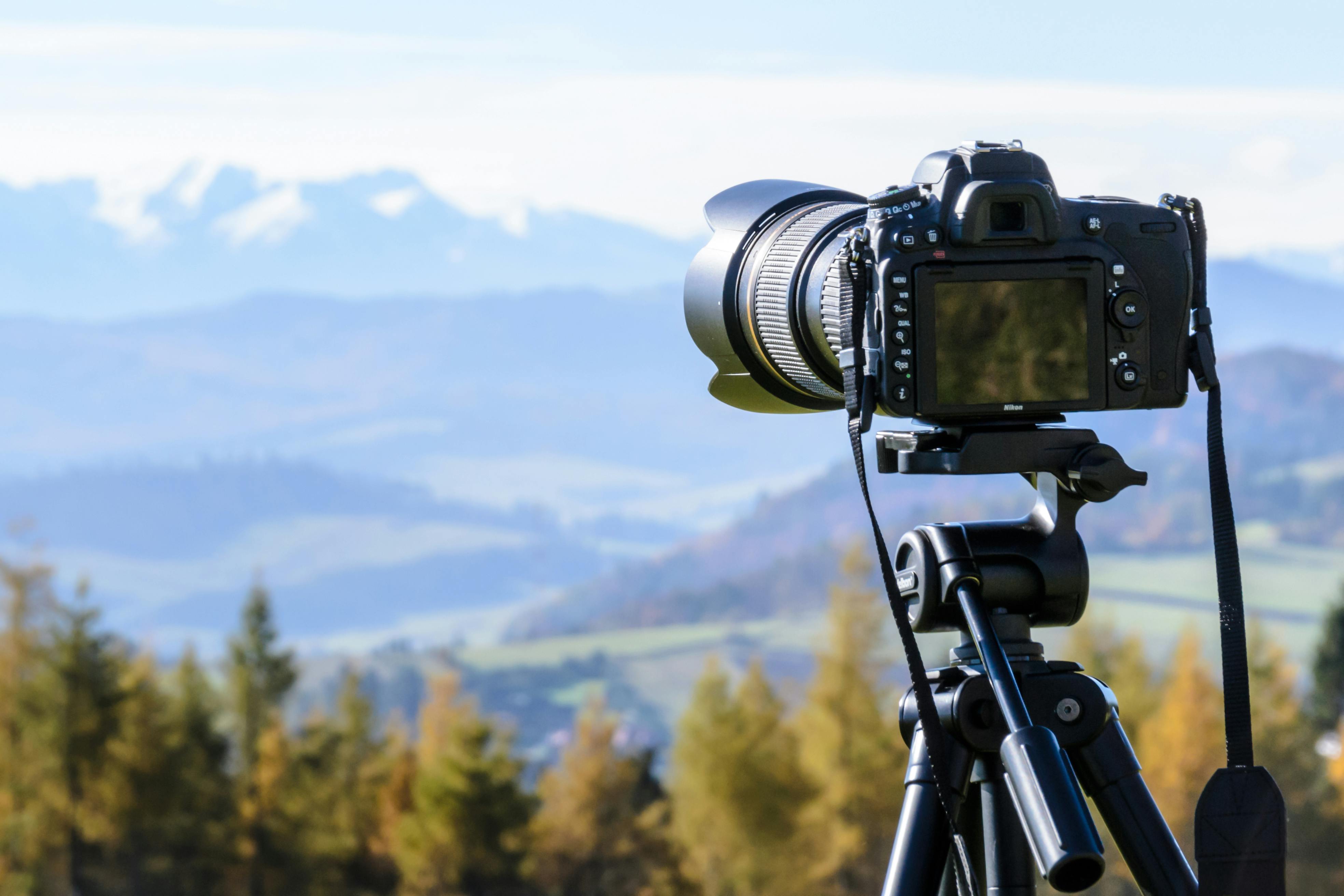
In a world overflowing with noise, speed, and constant comparison, the ability to pause and truly feel has become rare. Yet emotions remain the most powerful force shaping human experience. Capturing Emotions through photography offers a deeply personal way to process feelings, tell stories, and reconnect with inner truth. A single image can express what words often fail to explain—joy, grief, longing, hope, or quiet resilience.
Photography is not reserved for professionals or artists with expensive equipment. It is available to anyone willing to observe, feel, and translate emotion into imagery. Whether using a smartphone or a DSLR, photography invites presence, reflection, and self-awareness. Through the lens, emotions are not suppressed—they are honored.
At its core, photography becomes a mirror. It reflects not only the subject being photographed, but also the emotional state of the person behind the camera. This is why photography has increasingly been recognized as a tool for emotional well-being, creative exploration, and personal growth.
The Emotional Power Behind the Lens
Emotions drive memory, behavior, and connection. When emotions are captured visually, they become tangible. Photography freezes a moment in time, allowing the viewer to revisit and reinterpret feelings long after the moment has passed.
Images have a unique ability to bypass logic and speak directly to emotion. Colors, light, shadow, composition, and facial expressions all work together to trigger emotional responses. This is why certain photographs feel deeply personal, even when the subject is unfamiliar.
By intentionally focusing on emotion rather than perfection, photography shifts from performance to expression. The goal is not technical flawlessness, but emotional honesty.
Photography as a Tool for Self-Expression
Self-expression is essential for emotional health. Suppressed emotions often manifest as stress, anxiety, or creative blocks. Photography offers a safe, non-verbal outlet for releasing and understanding these emotions.
Through photography self expression, individuals can externalize internal experiences. A foggy window may represent confusion. An empty chair might symbolize loss. A beam of sunlight cutting through darkness can reflect hope or renewal.
Unlike journaling or verbal communication, photography allows emotions to exist without explanation. There is no requirement to justify feelings. The image simply exists, holding space for whatever emotion it represents.
Why Visual Expression Feels Safer
Many people struggle to articulate emotions verbally. Photography removes that barrier. It creates distance between the individual and the emotion, making it easier to observe rather than be overwhelmed.
This visual distance can be especially powerful during emotionally intense periods. Instead of avoiding feelings, photography encourages gentle engagement. The camera becomes a companion, not a judge.
Emotional Photography and Mental Well-Being
Research increasingly supports the emotional benefits of creative practices. Photography, in particular, has been linked to improved emotional regulation, self-esteem, and mindfulness.
Engaging in emotional photography encourages individuals to slow down and observe the present moment. This mindful awareness reduces rumination and helps ground the nervous system.
By focusing attention on framing, light, and emotion, the mind shifts away from stressors. This creates a calming effect similar to meditation.
According to psychological research, visual storytelling allows individuals to process complex emotions more effectively than verbal analysis alone. Photography transforms abstract feelings into something visible and manageable.
Photography as Creative Healing
Creative practices have long been used as therapeutic tools. Photography stands out because it blends creativity with observation. It asks individuals not to invent, but to notice.
Through creative healing, photography becomes a form of emotional release. The act of taking a photo validates the emotion being felt. It says, “This matters.”
Healing does not always require solutions. Sometimes it requires acknowledgment. Photography provides that acknowledgment without pressure or expectation.
In therapeutic settings, photography has been used to help individuals explore identity, trauma, and resilience. Outside of therapy, it offers a self-guided path toward emotional clarity.
The Science Behind Emotional Imagery
Images activate multiple areas of the brain simultaneously. Visual processing, memory recall, and emotional response all occur within milliseconds. This makes photography a powerful emotional trigger.
Studies highlighted by the Library of Congress explore how emotion and meaning are preserved within digital collections, emphasizing photography’s role in emotional storytelling and cultural memory.
Visual cues such as facial expressions, contrast, and composition influence how emotions are perceived. A slight tilt of the head or a shift in lighting can dramatically change the emotional tone of an image.
Understanding these elements empowers photographers to intentionally communicate emotion rather than relying on chance.
Personal Growth Through the Camera
Photography encourages curiosity and introspection. Asking “Why does this move me?” opens the door to self-discovery.
Over time, patterns emerge. Certain themes, colors, or subjects may repeatedly appear. These patterns often reflect underlying emotional needs or values.
Recognizing these patterns builds self-awareness. Photography becomes a dialogue between the conscious and subconscious mind.
This process fosters emotional intelligence—the ability to recognize, understand, and manage emotions effectively.
Storytelling Without Words
Every photograph tells a story, even in silence. Emotional storytelling does not require captions or explanations. The viewer brings their own experiences into the interpretation.
This shared emotional space creates connection. A photograph taken from personal pain may resonate with someone else’s healing journey.
In this way, photography becomes both personal and universal.
Digital Age, Deeper Expression
Modern technology has democratized photography. Access to cameras has never been easier. This accessibility has transformed photography into a global emotional language.
Social platforms allow images to travel across cultures and borders, carrying emotional messages that transcend language.
However, true emotional photography is not about validation through likes or shares. It is about authenticity.
When the focus shifts from external approval to internal expression, photography regains its emotional depth.
External Perspectives on Photography and Emotion
Scholars and psychologists continue to explore photography’s emotional impact. The American Psychological Association discusses how photography supports emotional processing and self-reflection.
Academic reflections on digital self-representation emphasize vulnerability as a strength, highlighting photography’s role in fostering empathy and emotional courage.
These insights reinforce what many photographers intuitively feel: photography is not just visual—it is emotional.
Practical Ways to Capture Emotion
- Focus on light and shadow to reflect mood
- Photograph moments, not poses
- Trust instinct over rules
- Allow imperfection
- Use color intentionally
Emotion thrives in authenticity. The most powerful images often come from moments of vulnerability.
Embracing Photography as a Personal Practice
Photography does not require an audience. It can exist solely for personal reflection.
Creating a private collection of emotional images can serve as a visual journal. Over time, it becomes a record of growth, healing, and resilience.
Revisiting these images offers insight into emotional evolution and personal strength.
Recommended Reading and Research
photography self expression
emotional photography
creative healing
Conclusion: Let Emotion Lead
Photography is not about capturing what is seen—it is about capturing what is felt. In embracing photography as a medium for self-expression, emotions become allies rather than obstacles.
Capturing Emotions through photography nurtures presence, compassion, and self-trust. It reminds us that every feeling has value and every moment holds meaning.
When the camera is guided by emotion, photography transforms into a powerful act of self-connection and creative healing.
Post a Comment